

Raising children involves making many decisions about education, health, activities, and social experiences. Parents want to provide opportunities that help their children grow academically, socially, and creatively while also making childhood enjoyable and memorable. From early learning programs to summer activities and family outings, there are many ways to support a child’s development.
This guide explores several important resources families often consider, including education options, enrichment opportunities, health services, and fun experiences that help children thrive. Whether you’re searching for the right school, exploring creative activities, or planning family events, understanding the options available can make parenting decisions easier and more confident.
Choosing the right early learning environment
For many families, the educational journey begins well before kindergarten. Early childhood education plays a crucial role in developing social skills, language abilities, and curiosity about the world.
Parents often begin their search by looking online for a preschool near me to find programs that provide structured learning in a safe and nurturing environment. Quality preschool programs help children develop important foundational skills such as communication, cooperation, and early literacy.
These early experiences prepare children for more structured classroom settings while also encouraging exploration through play-based learning. Visiting potential programs, speaking with teachers, and observing classroom activities can help parents determine whether a program aligns with their expectations and values.
When children feel comfortable and supported during their earliest educational experiences, they are more likely to develop a positive attitude toward learning as they grow.
Exploring different types of academic environments
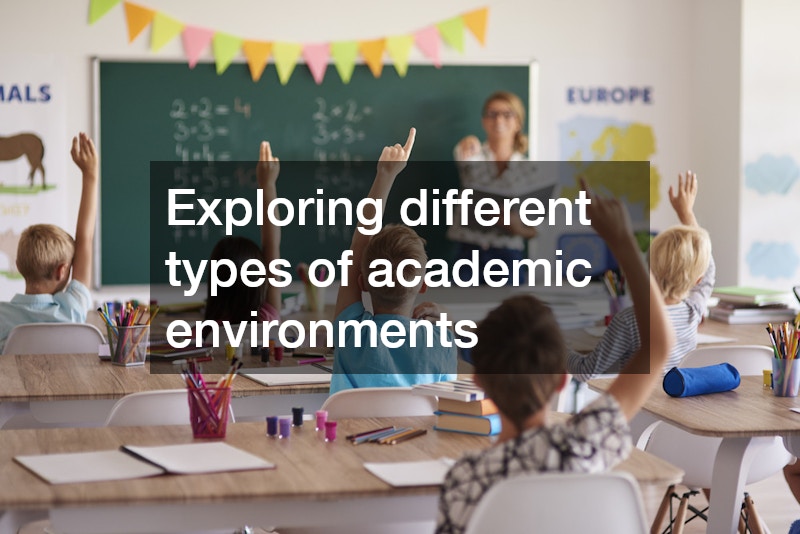
As children move beyond early childhood programs, families must choose between several types of schooling options. Each educational model offers unique benefits, and the best choice often depends on a child’s personality, learning style, and family priorities.
Many parents begin by researching elementary schools in their community. These schools provide the foundation for core academic subjects such as reading, math, science, and social studies while also helping children build friendships and confidence.
Some families prefer enrolling their children in a private school because these institutions often provide smaller class sizes, specialized curricula, and additional enrichment opportunities. Private education may also allow for more individualized attention and stronger partnerships between teachers and families.
Another option some parents consider is independent schools, which often operate with their own educational philosophy and governance structure. These schools may emphasize creative learning, leadership development, or specialized academic programs designed to encourage critical thinking and problem solving.
The key to selecting the right academic environment is understanding your child’s needs. Touring campuses, reviewing curriculum details, and meeting faculty members can help parents make a thoughtful decision.
Encouraging creativity and artistic expression
Education is not limited to academics alone. Creative activities help children build confidence, improve problem-solving skills, and discover new interests.
Many schools and community organizations offer opportunities for students to participate in a music program. Learning an instrument, singing in a choir, or participating in group performances can help children develop discipline and teamwork while also encouraging self-expression.
Music education has also been shown to improve memory, concentration, and cognitive development. Children who participate in musical activities often build stronger listening skills and develop a greater appreciation for creativity.
Parents who want to support artistic growth can look for community classes, after-school programs, or local arts centers that provide instruction in music, dance, theater, and visual arts.
Encouraging children to explore creative outlets allows them to develop talents that may become lifelong passions.
Planning meaningful summer experiences
When the school year ends, many parents begin searching for structured activities that keep children engaged and active during the summer months.
One of the most popular options is enrolling children in a summer camp. Camps provide opportunities for outdoor exploration, sports, team-building activities, and creative projects. They also allow children to build friendships and develop independence.
Different types of camps focus on different interests. Some emphasize outdoor adventure, while others offer specialized experiences such as science exploration, sports training, or creative arts.
Another option families explore during the summer months is summer schools. These programs often combine academic reinforcement with enrichment activities. Some students attend to strengthen academic skills, while others participate in specialized classes that expand their interests.
Summer learning opportunities can help children stay mentally active while still enjoying the relaxed pace of the season. Programs that blend education with recreation often create the most memorable experiences.
Supporting children’s health and wellbeing
A child’s health is just as important as their education and activities. Regular medical and dental care helps ensure children grow up healthy and confident.
Dental care is particularly important for developing strong oral hygiene habits at an early age. Visiting a children’s dentist helps children receive specialized care designed for their unique needs.
Dentists who focus on pediatric care often create welcoming environments that help reduce anxiety and make appointments more comfortable for young patients. These professionals are trained to monitor dental development, provide preventive care, and teach children how to properly care for their teeth.
Parents can help reinforce healthy habits by encouraging regular brushing and flossing routines while also scheduling routine dental checkups.
When children feel comfortable with healthcare professionals, they are more likely to develop lifelong habits that support their overall wellbeing.
Discovering educational family outings
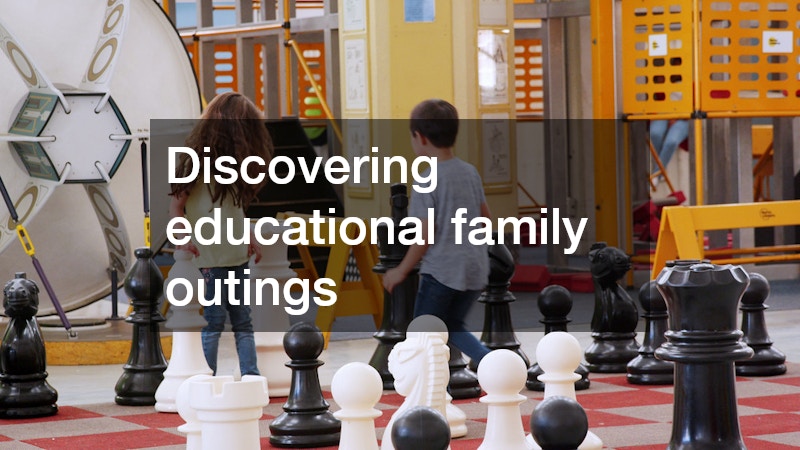
Learning doesn’t only happen in classrooms. Family outings can provide valuable educational experiences while also creating fun memories.
Many families enjoy visiting a children’s museum, where interactive exhibits allow kids to explore science, art, engineering, and imaginative play. Museums designed specifically for children encourage hands-on learning that sparks curiosity and creativity.
These environments often include exhibits that allow children to build structures, experiment with simple machines, explore natural science concepts, and participate in creative storytelling activities.
Museums provide an opportunity for families to learn together while encouraging children to ask questions and explore new ideas.
Regular visits to educational attractions can help children see learning as an exciting adventure rather than simply a classroom requirement.
Celebrating milestones and special occasions
Childhood is filled with special moments, including birthdays, school achievements, and family celebrations. Planning these events can be an exciting opportunity to create memorable experiences for children and their friends.
Many parents use party supply rental services when organizing events. Renting decorations, tables, chairs, inflatables, or themed accessories can help transform a simple gathering into a fun and festive celebration.
Party rentals make it easier to plan events without purchasing items that may only be used once. They also allow parents to choose from a wide range of themes and entertainment options that suit their child’s interests.
Whether it’s a backyard birthday party or a celebration at a local park, thoughtful planning can create joyful memories that children will cherish for years.
Creating a supportive learning environment at home
While schools and programs play an important role in a child’s development, the home environment is just as influential. Parents can encourage learning by creating routines that support curiosity, creativity, and responsibility.
Simple activities like reading together, discussing daily experiences, or encouraging children to ask questions help develop strong communication skills. When children feel that their thoughts and ideas are valued, they are more likely to remain engaged in learning.
Setting aside time for homework or reading can also establish positive study habits early. Even young children benefit from a structured routine that balances learning with relaxation and play.
Parents can also incorporate educational activities into everyday routines. Cooking together can introduce basic math concepts, nature walks can inspire curiosity about science, and storytelling can strengthen language skills.
When children experience learning both at school and at home, they develop a stronger foundation for academic success.
Helping children discover their interests
Children often develop new passions when they are exposed to a variety of activities. Some may be drawn to sports, while others prefer creative arts or academic exploration.
Parents can help their children discover what they enjoy by offering opportunities to try different programs and experiences. Participation in activities such as art classes, science workshops, or performance groups can reveal talents that may otherwise go unnoticed.
Creative opportunities like a music program can be especially beneficial for children who enjoy artistic expression. Music helps children build confidence while also teaching patience, persistence, and teamwork.
When children are encouraged to explore different interests without pressure, they are more likely to discover activities that genuinely excite them.
Allowing kids to follow their interests helps them build motivation and confidence, which can carry over into their academic and social lives.
Supporting academic success throughout childhood
As children progress through school, parents often look for ways to support academic growth while maintaining a positive learning environment.
Regular communication with teachers helps parents stay informed about a child’s progress and identify areas where additional support may be helpful. Attending parent conferences, reviewing assignments, and discussing school experiences can strengthen the partnership between families and educators.
Parents who are evaluating options such as elementary schools, private school environments, or independent schools often consider factors like curriculum quality, extracurricular opportunities, and classroom size.
Understanding how each educational setting approaches teaching and student development can help families choose the option that best fits their child’s needs.
Regardless of the educational path chosen, consistent encouragement from parents plays an important role in helping children stay motivated and confident in their abilities.
Building a balanced childhood experience

Childhood should be a combination of learning, exploration, creativity, and relaxation. While education and extracurricular activities are important, children also benefit from unstructured play and time with family.
A balanced schedule allows kids to enjoy activities without feeling overwhelmed. Parents who encourage both structured programs and free play help children develop imagination, independence, and problem-solving abilities.
Weekend outings, creative projects at home, and family traditions can strengthen relationships and create lasting memories.
Parents should also pay attention to signs that children may need more rest or less structured activity. Finding the right balance between commitments and relaxation ensures children can grow in a healthy and enjoyable way.
Helping children build lifelong skills
The experiences children have while growing up help shape their character and future abilities. Education, creative expression, social interaction, and family support all contribute to building lifelong skills.
Encouraging children to take on challenges, try new activities, and explore their interests teaches resilience and confidence. Programs like summer camp or enrichment classes provide opportunities for kids to learn independence while developing teamwork and leadership skills.
At the same time, supportive family relationships provide a foundation of encouragement and stability.
Parents who stay involved in their children’s education and activities help guide them toward positive choices and experiences. When parents show interest in what their children are learning, attending school events, asking about their day, and celebrating small achievements, children often feel more motivated and confident in their abilities. This involvement helps children understand that their efforts matter and that they have a strong support system behind them.
Children also benefit when parents encourage problem-solving and independence rather than immediately stepping in to fix every challenge. Allowing kids to work through obstacles teaches persistence and critical thinking. Whether it’s completing a difficult homework assignment, learning a new skill, or navigating friendships, these moments help children grow emotionally and intellectually.
Over time, these experiences shape how children approach opportunities and challenges throughout their lives. With guidance, encouragement, and meaningful experiences, children can develop the confidence and skills needed to pursue their interests, adapt to new situations, and build a strong foundation for their future.
Looking ahead to your child’s future
Every stage of childhood brings new opportunities for growth and discovery. From early learning programs to school experiences, creative activities, and family adventures, each experience contributes to a child’s development.
Parents who take the time to explore educational options, enrichment opportunities, and community resources can help their children build a well-rounded and fulfilling childhood.
By encouraging curiosity, supporting creativity, and prioritizing health and wellbeing, families create an environment where children can thrive.
The journey of raising children is filled with decisions, discoveries, and memorable moments. With thoughtful guidance and access to supportive resources, parents can help their children grow into confident individuals who are ready to explore the world and pursue their dreams.