
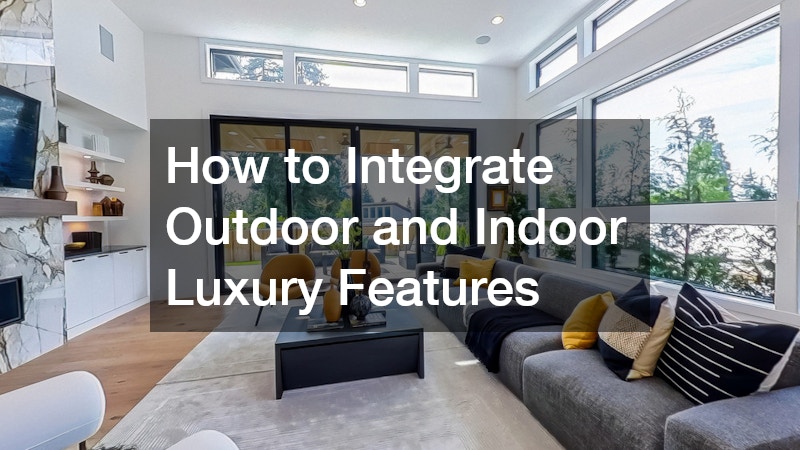
Luxury living is no longer confined to what happens inside four walls. Today’s high-end homes are designed to blur the boundaries between interior comfort and outdoor beauty. Expansive glass, curated landscaping, seamless flooring transitions, and thoughtfully coordinated amenities create an environment where movement between spaces feels natural rather than segmented.
However, simply adding premium features indoors and outdoors does not guarantee cohesion. True integration requires planning, coordination, and a clear design vision. Without that structure, even beautiful upgrades can feel disconnected.
This guide breaks down exactly how to connect outdoor and indoor luxury features in a way that feels intentional, functional, and refined. From infrastructure planning to entertainment design, you’ll find actionable strategies to create a unified estate that enhances both daily living and long-term property value.
Start With a Master Plan That Connects Structures and Landscaping
A cohesive luxury property begins long before finishes are selected. It starts with a comprehensive site plan that considers sightlines, elevation, traffic flow, drainage, and utility access.
One of the most common mistakes homeowners make is designing the house first and treating outdoor areas as an afterthought. Instead, the home and landscape should evolve together.
Align Exterior Features With Interior Views
When planning your layout:
- Position outdoor focal points so they’re visible from primary living areas.
- Consider how water features, fire elements, and garden beds appear from interior seating.
- Ensure large gathering spaces align with patios or terraces.
If you’re working with an inground luxury pool builder, bring them into the conversation early. Pool placement impacts grading, lighting, plumbing routes, and visual balance. The pool should feel like a natural extension of your architecture, not something dropped into leftover space.
Coordinate Driveways, Entryways, and Hardscaping
The first impression of your property sets the tone for everything that follows. Concrete driveways can be elevated through:
- Decorative scoring or stamping
- Textured finishes that mirror interior stone or tile
- Integrated lighting along edges
- Strategic curves that guide visitors toward the entry
Ensure driveway placement supports pedestrian pathways that flow toward front doors, courtyards, or side entrances without feeling crowded or disjointed.
Plan Utilities From the Beginning
Master planning should include:
- Electrical routing for outdoor lighting and automation
- Water lines for irrigation, pools, and outdoor kitchens
- Drainage systems to protect foundations
- Space allocation for mechanical systems
A well-designed blueprint prevents expensive redesigns and ensures all elements work together seamlessly.
Design Clear Sightlines Using Strategic Glass and Openings
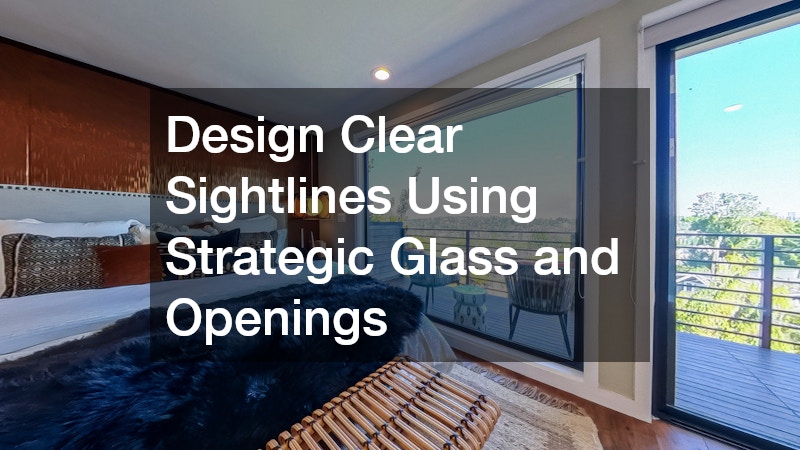
Visual continuity is one of the most powerful tools in luxury design. When indoor and outdoor areas are visually connected, the property feels larger and more harmonious.
Expand Natural Light and Views
Large windows, sliding walls, and folding glass systems:
- Create uninterrupted views
- Allow daylight to flood interior spaces
- Provide flexibility for entertaining
If your home has outdated or inefficient windows, residential glass replacement can significantly enhance both aesthetics and performance. Modern glazing improves clarity, insulation, and sound control while maintaining expansive views.
Frame Outdoor Features Intentionally
Think of windows as picture frames:
- Align seating arrangements with key views
- Position dining tables near garden focal points
- Use glass corridors to showcase courtyards or water features
Avoid randomly placed openings. Every pane should have a purpose.
Balance Openness With Privacy
To maintain privacy without sacrificing openness:
- Layer landscaping beyond windows
- Use frosted or tinted glass strategically
- Combine architectural overhangs with greenery
When designed thoughtfully, glass doesn’t expose—it enhances.
Establish Outdoor Privacy Without Sacrificing Elegance
Privacy is essential for true luxury, but heavy barriers can feel restrictive if not handled properly.
Choose Materials That Complement Architecture
Wood fencing remains a timeless choice for upscale properties. It offers warmth and texture while maintaining sophistication.
For maximum integration:
- Match stain tones with interior wood finishes
- Coordinate post caps and hardware with exterior lighting fixtures
- Blend fencing height with landscaping layers
Define Zones With Purpose
Instead of enclosing the entire property uniformly, use fencing to define specific areas:
- Pool enclosure
- Garden sanctuary
- Outdoor dining space
- Children’s play area
This approach maintains openness while creating functional privacy pockets.
Add Architectural Elements
Enhance fencing with:
- Stone columns
- Decorative metal inlays
- Integrated lighting
- Custom gates aligned with pathways
When privacy structures mirror the home’s design language, they feel intentional rather than defensive.
Coordinate Power and Lighting for Cohesive Ambiance
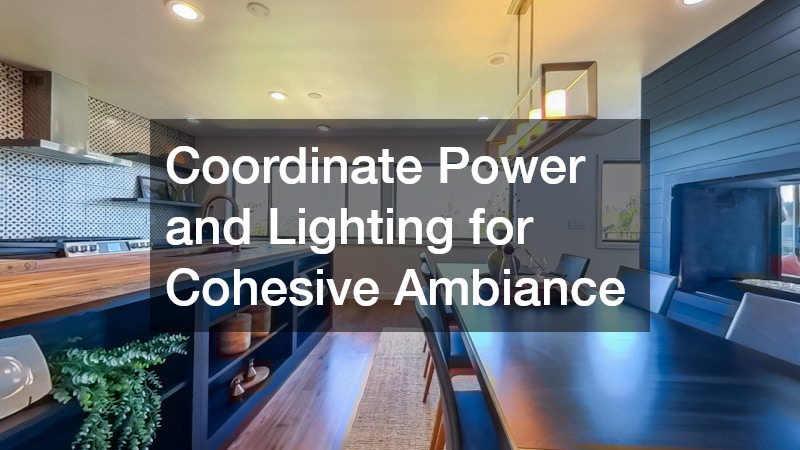
Lighting is one of the most overlooked elements in luxury integration. Inconsistent color temperatures or poorly placed fixtures can instantly disrupt cohesion.
Develop a Unified Lighting Strategy
Consult a residential electrician during the early planning phase to ensure:
- Consistent color temperature throughout interior and exterior spaces
- Balanced brightness levels
- Proper wiring for future upgrades
Layer lighting across both environments:
- Ambient lighting for overall glow
- Task lighting for kitchens and pathways
- Accent lighting to highlight architecture and landscaping
Extend Energy Solutions Outdoors
Solar panels can support sustainability without compromising elegance. When thoughtfully placed:
- Panels can power landscape lighting
- Outdoor water features can operate efficiently
- Energy costs decrease over time
Work with professionals to conceal panels in less visible roof sections or integrate them architecturally.
Use Smart Controls
Integrated systems allow you to:
- Adjust indoor and outdoor lighting scenes simultaneously
- Schedule lighting for security
- Sync music and mood settings for events
The goal is an effortless ambiance that flows from inside to outside without manual adjustments.
Create Seamless Entertainment Zones From Living Room to Backyard
Luxury living often revolves around entertainment. Whether hosting intimate dinners or large gatherings, integrated spaces make events effortless.
Align Indoor and Outdoor Gathering Areas
Consider proximity:
- Place patio seating directly off the main living room
- Position bar areas near sliding doors
- Maintain consistent furniture scale and style
If your property includes custom home theaters, consider how they connect to outdoor entertainment:
- Extend audio systems outside
- Design outdoor viewing walls for major events
- Use retractable screens for versatility
Prioritize Acoustics
Outdoor sound can easily bleed into interior spaces and vice versa. To maintain harmony:
- Use directional speakers
- Incorporate landscaping buffers
- Install acoustic treatments indoors
Ensure Smooth Transitions
Large sliding or folding doors help eliminate barriers. Keep thresholds minimal and flooring transitions subtle to prevent physical and visual disruption.
Blend Kitchen Spaces for Indoor-Outdoor Culinary Experiences
The kitchen often serves as the heart of the home. When outdoor culinary areas mirror indoor ones, entertaining becomes seamless.
Coordinate Materials Thoughtfully
Granite counter installations indoors can inspire complementary surfaces outside. Maintaining similar color families creates continuity even if materials vary slightly for weather durability.
A well-designed custom countertop outdoors should:
- Match or complement interior cabinetry
- Withstand temperature fluctuations
- Resist staining and moisture
Align Layouts
For maximum flow:
- Position outdoor grills near interior prep areas
- Create serving counters that face sliding doors
- Install beverage stations accessible from both spaces
Maintain Design Language
Consistency matters. Consider:
- Matching cabinet styles
- Coordinated hardware finishes
- Similar backsplash or stone patterns
When guests move between spaces, they should feel like they’re still in one cohesive environment.
Plan Plumbing Infrastructure for Efficiency and Luxury
Water systems require careful coordination to avoid inefficiencies and costly retrofits.
Involve Professionals Early
A reputable plumbing company can:
- Map efficient water line routes
- Prevent pressure imbalances
- Coordinate pool, spa, and kitchen plumbing
Planning during early construction avoids tearing into finished surfaces later.
Integrate Indoor and Outdoor Water Features
Consider connecting:
- Outdoor sinks and prep areas
- Pool showers
- Decorative fountains
Ensure drainage systems protect foundations and prevent pooling near entryways.
Build for Maintenance Access
Luxury should never compromise practicality. Hidden access panels and service areas allow maintenance without disturbing aesthetic elements.
Use Hardscaping Materials to Bridge Interior and Exterior Aesthetics

Surface materials are one of the strongest visual connectors between spaces.
Extend Interior Tones Outdoors
If your interior uses warm stone or tile, carry similar tones into patios and pathways. Concrete driveways can be enhanced with textures that echo interior flooring.
Maintain Scale and Proportion
Large-format tiles indoors should transition to appropriately scaled outdoor pavers. Avoid abrupt size changes that disrupt visual harmony.
Protect Structural Integrity
Ensure proper slope and drainage to prevent water from entering interior spaces. Luxury design must be both beautiful and functional.
Integrate Sustainable Luxury Without Compromising Style
Modern estates increasingly prioritize environmental responsibility alongside elegance.
Conceal Energy Systems
Solar panels can be integrated into rooflines or auxiliary structures to maintain architectural beauty. Pair renewable energy solutions with:
- High-efficiency windows
- Smart irrigation systems
- Automated lighting schedules
Choose Durable Materials
Sustainable luxury includes selecting finishes that:
- The last decades without replacement
- Require minimal maintenance
- Reduce long-term environmental impact
Energy efficiency enhances both resale value and daily comfort.
Coordinate Contractors for a Unified Finish
Even the most thoughtful designs can fail without proper coordination among professionals. Luxury integration is rarely the result of one contractor’s work; it’s the outcome of multiple specialists executing their roles in alignment with a shared vision. Without structured collaboration, even high-end materials and expert craftsmanship can feel disjointed.
A unified finish depends on proactive planning, consistent communication, and disciplined oversight throughout the entire project lifecycle.
Establish Clear Communication
Clear communication should begin before construction starts and continue through final inspection. Instead of allowing teams to work in isolation, establish a framework that encourages collaboration and transparency.
Hold regular meetings between landscape designers, electrical specialists, pool designers, and interior contractors. These meetings should review updated plans, confirm elevations and measurements, and address any design adjustments before they become costly field changes. When contractors understand how their work connects to adjacent systems, they make decisions that support the broader design intent.
Shared documentation is critical. Ensure that all parties are working from the most current architectural drawings, finish schedules, and system layouts. Even minor discrepancies in measurements or material selections can create visible inconsistencies later.
If you are working with an inground luxury pool builder and a residential electrician, ensure they collaborate closely on lighting placement, automation systems, and equipment housing. Pool lighting should align with the home’s interior lighting, temperature, and control systems so the property feels cohesive at night. Automation panels and control hubs must integrate seamlessly rather than operating as separate systems. Equipment housing should be discreet, accessible, and coordinated with landscaping plans to avoid visual clutter.
Encouraging direct communication between technical experts—rather than routing every conversation through a single point of contact—often leads to faster problem-solving and stronger results.
Schedule Strategically
Sequencing is one of the most overlooked factors in achieving a polished outcome. Even well-designed spaces can suffer if installations occur out of order.
Underground utilities should always be completed and tested before hardscaping begins. Installing patios or walkways prematurely increases the risk of demolition later if adjustments are required. Similarly, lighting infrastructure should be positioned and inspected before final surface finishes are installed. This allows for precise alignment and avoids unnecessary surface damage.
Transitions between materials deserve special scrutiny. Where flooring meets door thresholds, where exterior decking connects to interior tile, and where wall finishes shift from indoor to outdoor applications, precision matters. Scheduling dedicated inspection points during these transitions prevents small misalignments from becoming noticeable flaws.
Building buffer time into the schedule also protects quality. Rushed work often leads to oversights. Strategic scheduling allows each contractor to complete their scope without compromising craftsmanship.
Conduct Final Walkthroughs
The final walkthrough is the last opportunity to ensure the property feels unified rather than assembled in parts. This phase should be systematic and thorough.
Test all lighting scenes to confirm that interior and exterior areas shift in ambiance together. Dimming systems, automation controls, and fixture temperatures should operate consistently across zones. Evaluate how lighting highlights architectural details, landscaping, and pathways after dark.
Check water pressure consistency by running multiple fixtures and outdoor features simultaneously. This ensures plumbing systems function efficiently without unexpected drops in performance.
Inspect flooring transitions carefully, paying attention to thresholds, expansion joints, and finish alignment. These small details significantly influence how seamless the property feels underfoot and visually.
Finally, evaluate sightlines from key rooms. Stand in primary living areas and observe what is visible outdoors. Mechanical equipment, mismatched materials, or inconsistent trim work should be addressed before final approval.
Attention to detail during the final stages ensures the entire property feels cohesive rather than pieced together. When communication, scheduling, and inspection are handled with intention, the result is a refined environment where every element works together effortlessly.
Conclusion
Integrating outdoor and indoor luxury features is about far more than adding premium upgrades. It requires intention, coordination, and a unified design vision from the earliest planning stages to final inspection.
When architecture, landscaping, materials, lighting, and infrastructure work together, the result is a property that feels expansive, refined, and effortless. Every transition becomes seamless. Every space supports the next.
By prioritizing thoughtful integration over isolated enhancements, homeowners can create an environment that elevates daily living while delivering enduring value and timeless sophistication.