

The transition from winter to spring is arguably the most exciting time for any waterfront homeowner. The ice recedes, the grey skies lift, and the anticipation of early morning coffees by the water and sunset cruises begins to build. However, experienced residents know that the shift in seasons is not just about changing the calendar; it is about preparation. The harshness of winter—even in milder climates—can wreak havoc on mechanical systems, outdoor structures, and landscaping.
Waiting until the first perfect Saturday to uncover your equipment is a recipe for frustration. There is nothing worse than inviting guests over for a maiden voyage only to discover a dead battery, a seized winch, or unsafe decking. Procrastination also comes with a financial cost; service providers are often booked weeks in advance once the warm weather truly hits, leaving unprepared owners stranded on land while their neighbors enjoy the water.
This guide is designed to be the definitive resource for protecting your lifestyle investments. It goes beyond the basics of “cleaning up” and dives into the technical and logistical requirements of managing a complex property. By systematically addressing your grounds, vessels, infrastructure, and transport now, you ensure that your summer is defined by relaxation rather than emergency repairs.

Revitalizing Your Grounds and Curb Appeal
The exterior of your home is the first thing guests see and the environment where you will spend the majority of your leisure time. Winter often leaves behind a hidden trail of damage that requires a keen eye to identify. Before you bring out the patio furniture, you must address the fundamental health of your property.
Assessment of Winter Damage
Start with a perimeter walk. Winter freeze-thaw cycles can be brutal on hardscaping. Inspect your pavers, retaining walls, and concrete pathways for heaving or cracking. Small fissures that appeared in January can turn into tripping hazards by May if the ground shifts during spring rains. Look closely at your drainage systems; gutters and downspouts should be clear of debris to ensure spring showers are directed away from your home’s foundation and shoreline.
Inspect your trees and large shrubs for structural integrity. Heavy snow or ice loads can snap branches that are left hanging, posing a danger to people and property below. If you have large trees near your home or the water’s edge, consider having an arborist evaluate them for stability.
Managing the Greenery
While many homeowners enjoy a bit of gardening, the heavy lifting of spring startup is often best left to professionals. This is the ideal time to coordinate with your landscape service to establish a plan for the season. A professional crew can handle the aeration and overseeding necessary to wake up your lawn, as well as the application of pre-emergent herbicides to stop weeds before they germinate.
- Irrigation Startup: This is not as simple as turning a valve. The system needs to be pressurized slowly to check for heads that may have been damaged by snow plows or frost.
- Mulching and Bed Prep: Fresh mulch does more than look good; it retains moisture and suppresses weeds. However, piling it too high against tree trunks (volcano mulching) can cause rot.
- Shoreline Buffer Zones: If you live on a lake, maintaining a buffer of native plants at the water’s edge is crucial for preventing erosion and filtering runoff.
Shoreline Stabilization
The area where your land meets the water is dynamic and vulnerable. Inspect your riprap or seawall carefully. Look for “sinkholes” behind the wall, which indicate that soil is washing out from underneath. If you use riprap, check for stones that have tumbled out of place. Re-stacking these now prevents significant erosion later in the season. Ensuring this transition zone is stable is critical for the safety of children and pets who often play near the water’s edge.

Preparing the Vessel for the Water
For many, the boat is the centerpiece of the waterfront lifestyle. However, a boat that has sat dormant for months is a complex machine that needs to be coaxed back to life. Skipping steps here can lead to catastrophic engine failure or safety incidents.
De-Winterizing the Engine
If you winterized your boat properly, you likely have antifreeze in the block and fogging oil in the cylinders. The process of waking the engine up involves more than just turning the key. You need to inspect all rubber hoses and belts. Rubber becomes brittle over time, and a cracked cooling hose can sink a boat or overheat an engine in minutes.
Check all fluid levels—engine oil, power steering fluid, and coolant. If you didn’t change the gear lube in the lower unit last fall, do it now. Milky gear lube indicates water intrusion, which means you have a leaking seal that must be addressed immediately.
For modern vessels heavily reliant on electronics, the electrical system is the most common failure point. Clean your battery terminals with a wire brush and ensure the connections are tight. If your batteries are more than three years old, have them load-tested. It is far better to replace a battery in your driveway than to be stuck drifting in the middle of the lake.
If you are uncomfortable performing these mechanical checks, schedule an appointment with your local boat dealer as soon as possible. Their service departments get overwhelmed by late spring, and getting on their calendar early ensures you aren’t waitlisted until July.
Road Readiness
We often obsess over the boat but neglect the mechanism that gets it to the water. Your trailer is subject to immense stress and saltwater corrosion. Before you load the boat, perform a thorough safety check on the trailer.
- Wheel Bearings: This is the number one cause of roadside trailer failure. If you have bearing buddies, ensure they are greased. If not, or if it has been a few years, have the bearings repacked.
- Tires: Trailer tires rot from the inside out and often look fine on the sidewall while being structurally compromised. Check the date code on the tires; if they are older than six years, replace them regardless of tread depth.
- Lights and Wiring: Mice love to chew on trailer wiring during the winter. Connect the trailer to your tow vehicle and check every turn signal and brake light.
- Bunks and Rollers: Inspect the carpet on your bunks. Worn carpet can expose the wood or metal underneath, which will gouge your hull.
Taking the time to service your boat trailers ensures that your first trip to the launch ramp is uneventful and safe.
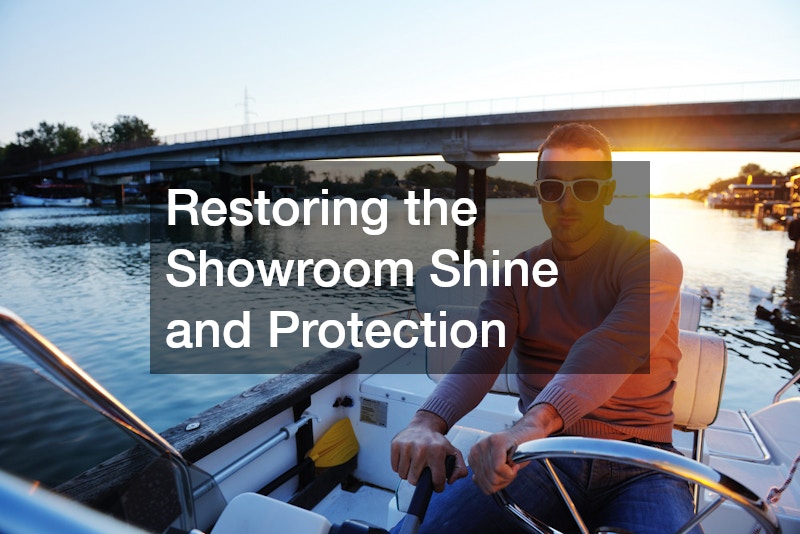
Restoring the Showroom Shine and Protection
A clean boat is not just about vanity; it is about preservation. The marine environment is incredibly harsh, with UV radiation, algae, and mineral deposits constantly attacking your vessel’s finish. Spring is the time to strip away the grime of storage and build a layer of defense for the coming season.
Combating Oxidation
Gel coat, the outer layer of fiberglass boats, is porous. Over time, it oxidizes, turning from a glossy shine to a chalky, dull white. This chalkiness is actually dead gel coat. Simply waxing over oxidation traps the dullness underneath. To truly restore the finish, you need to compound and polish the surface to remove the dead layer before sealing it.
This is a labor-intensive process that often requires high-speed buffers and specific compounds. Many owners find it worthwhile to hire professional boat detailers for this initial spring clean. These experts have the tools to correct heavy oxidation and swirl marks that hand-waxing cannot touch. They can also clean and condition your vinyl seats, which is essential for preventing cracking and mildew growth during the humid summer months.
Advanced Surface Defense
While wax is the traditional method of protection, technology has introduced new ways to keep your vessel looking new. Wax typically lasts a few months in the hot sun. Ceramic coatings offer a more durable alternative, bonding to the surface to create a hydrophobic layer that repels water and grime for a year or more.
For high-wear areas, consider a physical barrier. The tops of gunwales (where people step), the transom (where wakeboards hit), and the bow (where the anchor swings) are prone to scratching. Applying marine paint protection film to these specific areas can save you thousands of dollars in gel coat repair. This clear, self-healing film absorbs impacts and prevents the “dock rash” that inevitably happens when wind and current conspire against you. It is an invisible upgrade that maintains the resale value of your vessel significantly.

Securing Your Waterfront Infrastructure
Your boat dock is your bridge to the water. It endures the elements 24/7, year-round. Winter ice, shifting water levels, and storms can compromise its structure. A thorough inspection is mandatory before you allow family and friends to congregate on it.
Structural Integrity Check
Beneath the surface, the situation can be more critical. If you have a floating dock, inspect the flotation billets. If they are waterlogged or damaged by muskrats, the dock will list or sink under load. For fixed docks, inspect the pilings for ice damage or erosion at the mudline.
System Functionality
Modern waterfronts are often equipped with electricity and water, turning them into outdoor living rooms. These utilities require careful scrutiny.
- Electrical Safety: Water and electricity are a deadly combination. Test your Ground Fault Circuit Interrupter (GFCI) breakers to ensure they trip correctly. Inspect the shore power pedestals for corrosion or burning around the receptacles. If you see any exposed wiring or damage to conduits, hire a marine electrician immediately.
- Lifts and Hoists: Your boat lift is a heavy piece of machinery. Check the cables for fraying or “meat hooks” (broken strands). A snapped cable can drop your boat onto the cradle, causing massive damage. Grease the pulleys and drive units according to the manufacturer’s specifications.
Routine dock maintenance extends the life of the structure and the equipment attached to it. It is far cheaper to replace a frayed cable or a rusted bolt now than to repair a collapsed lift in the middle of July.

Tuning Up Your Neighborhood Cruiser
In many waterfront and gated communities, the primary mode of transport isn’t a car—it’s a small electric or gas vehicle, like a golf cart. These runabouts are essential for visiting neighbors, heading to the pool, or carrying cooler bags to the marina. Because they are low-speed vehicles, their maintenance is often overlooked until they refuse to move.
Battery and Brake Health
For electric models, the battery pack is the heart of the machine. If you have traditional lead-acid batteries, check the water levels. The plates inside should be fully submerged in distilled water. If they were left uncharged in a freezing garage all winter, the cases might have cracked, or the cells might be dead. Clean the terminals of any corrosion using a mixture of baking soda and water.
For gas models, the fuel is the main culprit. Old gas turns into varnish that clogs carburetors. If you didn’t use a fuel stabilizer, you might need to drain the tank and clean the fuel lines. Change the oil and the spark plug to ensure a quick start.
Don’t forget the brakes. These vehicles often carry heavy loads of passengers and gear. Test the stopping distance and check the parking brake. A parking brake that slips is a major hazard, especially on the sloped driveways common in lakefront properties.
Knowing When to Upgrade
Sometimes, maintenance isn’t enough. If your vehicle is struggling to climb hills, has a range that barely gets you to the club and back, or lacks modern safety features, it might be time to retire it. Newer models offer lithium-ion batteries with zero maintenance and extended range, as well as enhanced suspension for a smoother ride.
If you decide to upgrade, check golf cart sales early in the season. Inventory tends to move fast in the spring. Look for models that include safety features like seatbelts, turn signals, and mirrors, especially if your community allows these vehicles on public roadways. Upgrading is not just about comfort; it’s about reliability and safety for your family.
Maximizing Your Social and Recreational Access
The hardware—the boat, the dock, the house—is there to facilitate the software: your life and social interactions. The final piece of the spring checklist involves administrative and social planning. The best facilities in the world are useless if you don’t have access to them or if you miss out on the season’s premier events.
Reviewing Club Privileges
If you are part of a private community, your access to amenities is likely governed by a membership. Take a moment to review your standing. Are there annual dues that need to be paid to activate your privileges? Have the guest policies changed since last year?
Specifically, look at your golf membership details. Many clubs adjust their booking windows, reciprocal privileges with other courses, and dining minimums at the start of the fiscal year. Understanding these rules now prevents awkward conversations at the pro shop or the host stand later. If you plan to host large groups this summer, check the rules regarding unaccompanied guests or tournament participation.
Booking and Scheduling
- Tee Times and Courts: If your club allows advance booking for holiday weekends like Memorial Day or the Fourth of July, do it now.
- Marina Slips: If you plan to take your boat to a destination marina for lunch or an overnight stay, reserve those slips immediately.
- Service Providers: As mentioned earlier, your landscapers, mechanics, and detailers are building their schedules now. Lock in your recurring maintenance slots so you aren’t scrambling for help in June.
Conclusion
The difference between a chaotic, breakdown-filled summer and a blissful season of waterfront living is preparation. By taking the time now to methodically inspect and service your property and equipment, you are buying yourself peace of mind. You are ensuring that when the sun is shining and the water is glass, your only worry will be which playlist to choose.
Remember, safety is the undercurrent of this entire checklist. A well-maintained trailer ensures you arrive safely; a checked electrical system prevents fires; and a reliable engine keeps you out of harm’s way on the water.