Natural gas is a crucial energy resource used across the globe. One of the safety features associated with the use of natural gas is the introduction of odorants. In this article, we will examine what natural gas odorants are, why they are necessary, and how they function to enhance safety.
1. Why Are Odorants Added to Natural Gas?
Natural gas itself is odorless and colorless, which poses a significant risk of undetected leaks. To mitigate this threat, odorants are chemically engineered to provide a distinctive smell to natural gas, often described as similar to rotten eggs.
This added odor serves as a warning signal to users, enabling the early detection of leaks before they pose serious safety hazards. The adoption of odorants like mercaptans in the natural gas industry has drastically improved safety standards and public awareness. Many regulatory frameworks across the globe mandate the use of odorants for all distributed natural gas as a standard safety measure.
Historically, the introduction of odorants into natural gas systems dates back to the 1930s, following a catastrophic explosion in New London, Texas, which highlighted the urgent need for improved safety protocols. Since then, odorants have become an integral part of gas distribution services worldwide. These substances are typically sulfur-based compounds, meticulously designed to alert individuals to the presence of natural gas in the air. The distinct smell helps prevent potentially harmful situations by ensuring the immediate recognition of leaks. By providing a crucial early warning system, odorants significantly enhance the overall safety of natural gas usage in residential, commercial, and industrial sectors.
The act of scenting natural gas with odorants also plays a pivotal role in risk management for utility companies. It allows for the timely discovery and resolution of leaks before they can escalate into dangerous or costly incidents. Public utilities and responsible authorities advocate for awareness campaigns that educate consumers on the importance of recognizing and responding to the odor of natural gas. Routine safety exercises and educational initiatives are critical, fostering a culture of vigilance and preparedness. Odorants, therefore, are a cornerstone of public safety in the handling and utilization of natural gas.
2. What Chemicals Are Used as Natural Gas Odorants?
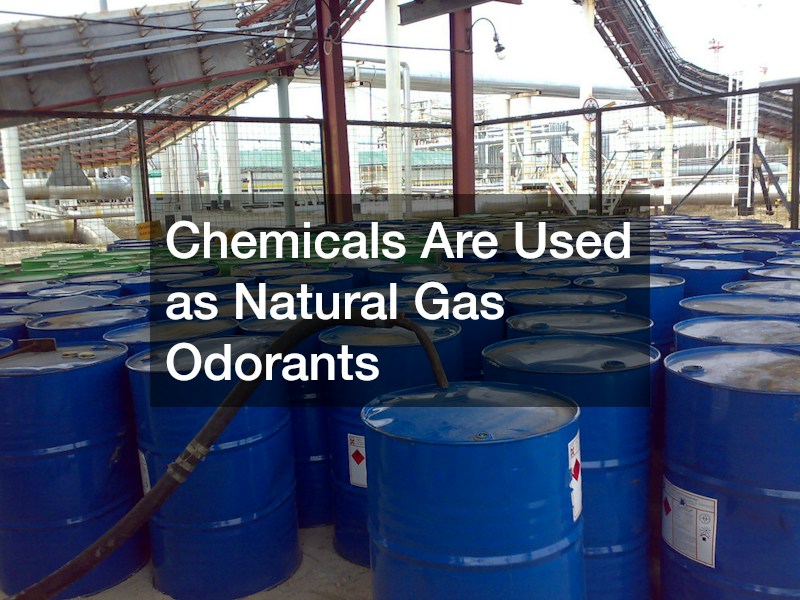
The most commonly used compounds for odorizing natural gas are mercaptans, also known as thiols. These sulfur-containing chemicals are chosen due to their potent and easily recognizable odor, which is reminiscent of rotten eggs. Among these, tert-butyl mercaptan and isopropyl mercaptan are frequently utilized because of their stability and effectiveness. Mercaptans are highly volatile, which ensures that even low concentrations can be detected by the human nose. This characteristic makes them ideal for use as safety indicators in gas leakage scenarios.
Additionally, odorants like thiophane and various sulfides are sometimes used in combination with mercaptans to achieve a balanced olfactory signal. This combination enhances the durability and consistency of odor detection across different temperature ranges and environmental conditions. The complexity of the chemicals ensures that odorants provide an unmistakable warning sign even in minimal concentrations. The decision to use specific odorant mixtures depends on various factors including the gas distribution system, local climate, and regulatory mandates. The careful selection and use of these chemicals are key to maintaining an effective and reliable gas safety system.
While mercaptan-based odorants are popular due to their distinctive smell and efficacy, research is ongoing into alternative compounds such as sulfides for use in colder climates where odor fading might occur. Understanding the chemical properties and reactions of these odorants is crucial for ensuring continuous and reliable odor detection. Advances in chemistry are contributing to improved formulations that enhance the safety of natural gas. Innovations aim to create odorants that are not only effective but also benign to the environment and meet strict health and safety standards. These developmental efforts reflect a growing commitment to safeguarding the communities that rely on natural gas.
3. How Are Odorants Applied to Natural Gas?
The process of adding odorants to natural gas is known as gas odorization. This crucial safety procedure is typically carried out at gas processing plants or distribution hubs, where precise equipment meters and injects the odorant into the gas stream. Advanced technology ensures that the correct concentration of odorant is blended consistently to maintain effective olfactory alerts at all points of the distribution network. Automated systems continuously monitor and adjust the levels of odorants to accommodate fluctuations in gas flow and demand. This methodical approach to odorization is essential for ensuring public safety and regulatory compliance.
Gas utilities employ various methods of odorant injection, including absorption techniques and liquid injection systems. Absorption involves adding an odorant-soaked medium into the gas stream, while liquid injections deliver a precise amount of odorant directly. Both techniques are designed to infuse the natural gas with a noticeable smell while maintaining uniform concentrations throughout the system. The maintenance and calibration of these systems are paramount for preventing inaccurate dosing that could either cause odor fade or lead to excessive, unpleasant odors. Periodic testing and quality assurance measures are in place to ensure the fidelity of the odorization process.
The infrastructure and logistics surrounding the application of odorants are strategically organized for efficiency and safety. Distribution stations, equipped with computerized controls, allow for meticulous oversight and management of odorant dosing. Safety protocols dictate regular inspections and maintenance to prevent system failures that could compromise the delivery and distribution of safely odorized natural gas. Utilities, therefore, invest substantively in the technology and personnel required to support these operations. A harmonious integration of scientific and engineering expertise is necessary to uphold the rigorous standards essential for effective gas odorization.
4. How Does the Smell of Natural Gas Affect Safety?
Natural gas odorants are vital for preventing accidents by alerting individuals to the presence of gas leaks through smell alone. The human nose is remarkably sensitive to sulfur-based compounds, capable of detecting them even at very low concentrations. This sensitivity enables swift action in response to the faintest whiff of natural gas, prompting immediate evacuation or calling emergency services. The distinct odor thus serves as a built-in alarm system, deterring catastrophic incidents in both residential and commercial settings. Recognizing the smell of natural gas as an emergency signal is crucial for ensuring community safety and minimizing property damage.
The implementation of odorants not only aids in detection but also instills awareness and caution among users. Knowing what to expect and how to respond when they detect the odor of natural gas is an integral aspect of public safety education. Community outreach efforts, including training sessions and informational campaigns, emphasize the importance of preparedness and knowledgeable response plans. These initiatives aim to foster a proactive mindset, where awareness of the smell of natural gas becomes ingrained in everyday safety considerations. By promoting a culture of vigilance, regulators seek to reduce the incidence of gas-related accidents.
Despite the effectiveness of current odorization methods, challenges remain in ensuring that all members of the public can recognize the scent. Factors such as olfactory fatigue, health issues that impair the sense of smell, or exposure to high concentrations of gas, can make detection difficult. Ensuring that individuals understand the importance of odorants and can recognize the tell-tale scent is a responsibility of both utility companies and public safety authorities. Regular reminders and clear guidelines help bridge the gap, ensuring safer environments for all. Continued research into enhancing and refining natural gas scent compounds is essential to address these challenges head-on.
5. What Are the Future Trends and Innovations in Odorants?
The continuous evolution of technology presents new opportunities for advancing the science of natural gas odorization. Researchers are exploring innovative materials and methods to enhance the stability and effectiveness of odorants. With growing environmental concerns, there is a concerted effort to develop odorants that are less reliant on sulfur compounds, which can have deleterious effects when released into the atmosphere. Alternatives being studied include organic compounds and bioengineered additives that offer improved environmental compatibility without sacrificing detection efficacy. These innovations signal a shift towards more sustainable practices in natural gas safety management.
In addition to environmental considerations, advancements in digital technologies are providing new tools for monitoring and managing the application of odorants. Smart sensors and IoT-enabled devices enable real-time tracking of odorant concentrations across extensive gas distribution networks. These technologies allow for more precise control, quicker response to malfunctions, and efficient maintenance scheduling. Automation and enhanced data analytics capabilities can improve the prediction and prevention of gas leak incidents. This progress positions the industry to meet contemporary challenges with greater agility and effectiveness.
The integration of artificial intelligence and machine learning is poised to further revolutionize the landscape of natural gas safety. AI-driven models can predict potential risks or pinpoint weak spots in distribution systems, optimizing odorization processes to enhance safety while reducing costs. These intelligent systems can learn from historical data to anticipate and resolve anomalies preemptively. Such advancements will undoubtedly strengthen the industry’s capacity to safeguard both its infrastructure and the consumers it serves. As the natural gas sector prepares for the future, innovation in odorization continues to play a pivotal role in protecting communities and the environment.
Natural gas odorants play an essential role in safety by enabling the detection of gas leaks. Understanding the chemicals used, the application process, and the benefits of these odorants is crucial for enhancing safety measures. As technology advances, innovation in odorants promises greater safety and efficiency in the future.