
Key Takeaways:
- Loyalty is no longer automatic — nearly half of diners switched their favorite restaurant in the past year, so repeat business has to be actively earned with every visit.
- A working loyalty program is one of the strongest tools available, since active members order more often and perks reliably bring diners back within months.
- Repeat customers are worth more per visit than first-timers, which means the payoff from converting a one-time guest compounds quickly over time.
- First impressions form before anyone tastes the food — accurate online listings, appealing photos, and a warm greeting all shape whether someone decides to stay.
- Redemption has to be effortless — a rewards system that’s confusing or hard to use erodes trust faster than having no program at all.
- Small, personal touches (remembering a regular’s order, following up after a big order) build emotional loyalty that outlasts any single competitor’s discount.
- Listening to feedback and adjusting quickly helps catch small problems before they turn into the kind of experience that pushes a regular elsewhere.
Running a restaurant in 2026 feels a little like dating in a world where everyone has unlimited swipes. Diners have more options than ever, and their loyalty is a lot more fickle than it used to be. If you have noticed that guests who used to come in every week now show up once a month, or that new faces rarely turn into familiar ones, you are not imagining things. There is real data behind that shift, and it points to a clear opportunity for restaurants willing to rethink how they attract and keep customers. Let’s break down what is actually happening and what you can do about it.
Why Restaurant Loyalty Is Slipping in 2026
Here is a number that should make every restaurant owner sit up straight: according to Tillster’s 2026 Phygital Index Report, nearly half of diners, 45 percent, say the restaurant they consider their favorite has changed within the last year. That is a steep jump from 2025, when roughly a third of diners reported the same thing.
Think about what that actually means. Almost half of your regulars, the people you thought had you on speed dial, are willing to swap you out for someone else within twelve months. This is not a case of restaurants suddenly getting worse at cooking. It is a sign that the old idea of “loyalty” built purely on habit is breaking down. People are not automatically coming back just because they came back last time.
A few things are driving this shift:
- Diners have easier access to reviews, delivery apps, and social media recommendations, so trying somewhere new carries almost no risk.
- Convenience stores and grocery prepared-food sections have stepped up their game, pulling customers away from traditional sit-down and quick-service spots.
- Rising menu prices have made diners more willing to shop around for value rather than sticking with a familiar favorite out of habit.
- Loyalty programs themselves are often part of the problem rather than the solution, since many diners report low satisfaction with how current programs work.
The takeaway here is not that customers have become disloyal people. It is that restaurants can no longer assume loyalty will happen on its own. You have to actively earn it, over and over, with every visit.
What Actually Keeps Customers Coming Back
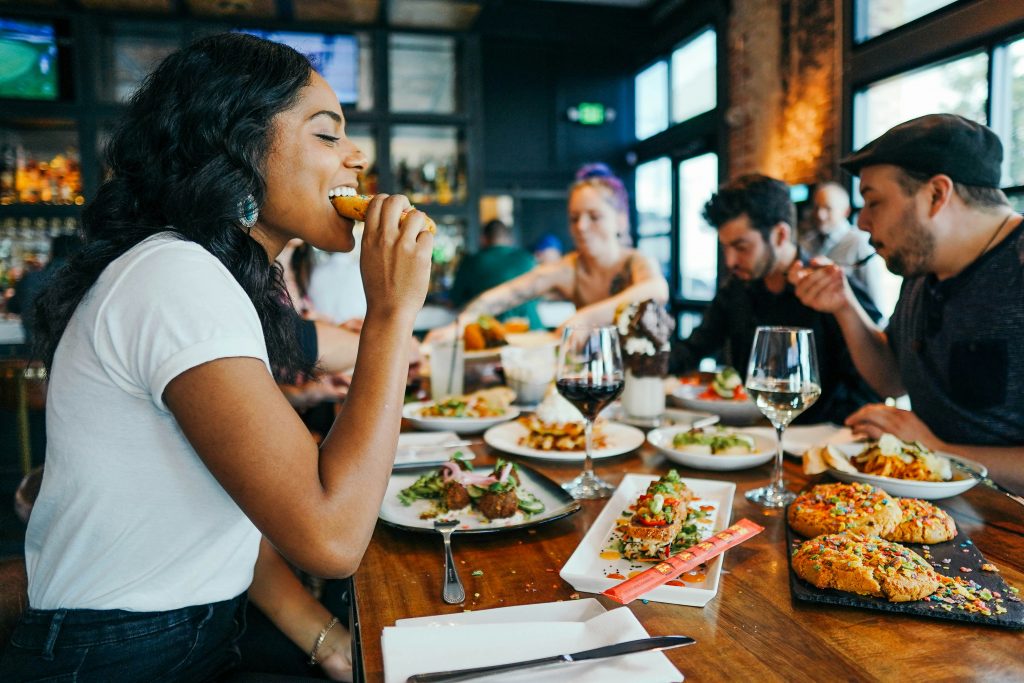
If the first data point paints a slightly worrying picture, the second one offers a genuinely useful roadmap. DoorDash’s 2026 Restaurant Industry Trends Report, which pulled from more than 50 million monthly users and a survey of over 3,000 U.S. consumers, found that 66 percent of diners order more frequently from restaurants where they are active loyalty members. On top of that, 87 percent said a discount, credit, or perk influenced them to order again from the same restaurant within a recent six-month stretch.
Put those two figures together and the message is pretty clear. Loyalty programs are not just a nice-to-have add-on anymore. They are one of the strongest levers a restaurant has for turning a one-time visitor into someone who orders from you regularly. The same report also found that repeat diners spend meaningfully more per visit than first-timers, which means the value of getting someone to come back a second and third time compounds quickly.
Here is why this matters so much when you look at it next to the loyalty decline mentioned above. Diners are not becoming less willing to be loyal, they are becoming less willing to be loyal for free. They want something tangible in exchange for choosing you over the dozen other options nearby. A restaurant that gives customers a clear, easy reason to come back, whether that is a punch card, a points system, or a simple “your next coffee is on us” perk, is working directly against the industry-wide trend of diners drifting away.
Making a Strong First Impression
Before you can turn anyone into a regular, you need to get them through the door in the first place. First impressions in the restaurant world happen long before someone tastes your food. They start online, on the sidewalk, and in the first thirty seconds of walking in.
A few practical ways to sharpen that first impression:
- Keep your online listings accurate and current. Nothing kills a first visit faster than showing up to closed doors because your hours were wrong on Google.
- Invest in photography that actually represents what you serve. Blurry, outdated photos of your dishes quietly push people toward a competitor with better visuals.
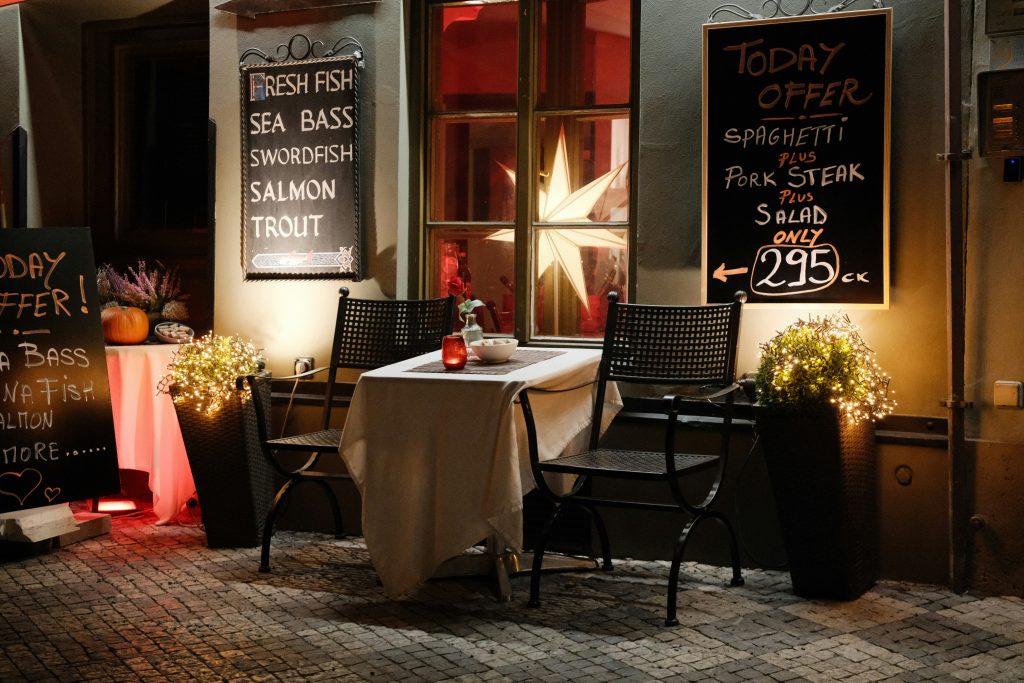
- Make your signage and storefront easy to notice from the street, especially if you rely on walk-in traffic.
- Train your host or front-of-house staff to greet people warmly within the first few seconds, since that initial interaction sets the tone for the entire meal.
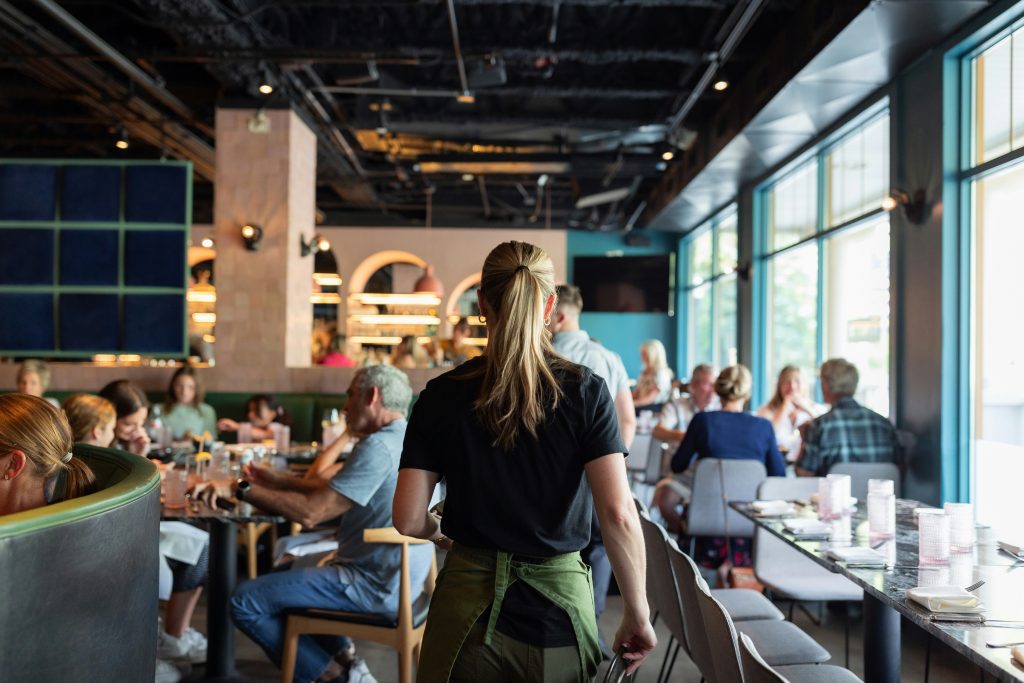
This is also where physical space starts to matter. Restaurant design updates that attract customers, like warmer lighting, more comfortable seating, and a layout that feels open rather than cramped, can be the difference between someone glancing in and walking past, or glancing in and deciding to sit down. You do not need a full renovation to make an impact here. Small, intentional changes to how your space looks and feels can shift how people perceive your food before they have even tasted it.
Turning First-Timers Into Regulars
Getting someone in the door once is only half the battle. The real value, as the DoorDash data makes clear, comes from what happens after that first visit. This is where a lot of restaurants leave money on the table simply because they do not have a system for staying in touch.
Consider building out a simple loyalty structure if you do not already have one:
- A points-based system where every dollar spent earns rewards that are easy to redeem, not buried behind confusing rules.
- A punch card or app-based tracker for something simple, like a free item after a certain number of visits.
- A birthday or anniversary perk that gives people a personal reason to think of you on a specific date.
- A referral incentive that rewards existing customers for bringing friends, since word-of-mouth carries more trust than any ad.
One detail worth paying close attention to is redemption friction. If customers cannot easily use their rewards, whether because the points system is confusing or the app glitches at checkout, the entire program backfires. Instead of feeling appreciated, customers feel misled. Keep the mechanics of your program dead simple. A customer should be able to explain how it works in one sentence.
Beyond formal programs, personal touches go a long way. Staff who remember a regular’s usual order, a server who checks in on a return visit and asks how a dish they recommended last time turned out, or a simple thank-you text after a big order, all build the kind of emotional connection that keeps people coming back even when a competitor opens up next door.
Using Your Physical Space to Your Advantage
It is easy to focus all your energy on menus, marketing, and loyalty apps while forgetting that the physical experience of your restaurant is doing a lot of quiet work in the background. The way a space is arranged affects how long people stay, how comfortable they feel, and whether they want to come back.
A few areas worth evaluating:
- Seating variety, since offering both cozy two-tops and larger communal tables lets you accommodate different kinds of visits, from a quick solo lunch to a group celebration.
- Noise levels and acoustics, which can make or break a date-night crowd even if the food is excellent.
- Lighting that shifts appropriately from a bright, energetic lunch atmosphere to a warmer, more relaxed evening feel.
- Clear sightlines to an open kitchen or bar area, which can make a space feel more dynamic and transparent.
None of this requires a total remodel. Even small, budget-friendly updates, like new paint, better lighting fixtures, or rearranging tables for better flow, can noticeably shift how customers experience your restaurant and whether they associate it with comfort and enjoyment.
Marketing That Actually Reaches Regulars
A loyalty program only works if people know it exists and remember to use it. This is where consistent, low-pressure marketing becomes important, not as a way to constantly push discounts, but as a way to stay present in someone’s mind between visits.
Some approaches worth considering:
- Email and text updates about new menu items, limited-time specials, or upcoming events, kept short and easy to skim.
- Social media that shows the personality of your restaurant, not just polished food shots, since people connect with the humans behind a business.
- Local partnerships with nearby businesses, gyms, or community organizations that put your name in front of people who already trust that source.
- Simple, well-timed reminders about loyalty rewards that are about to expire, which nudge people back through the door without feeling pushy.
The goal is not to bombard people with promotions. It is to make sure that when someone is deciding where to eat, your restaurant is already on their mind because you have stayed visible in a natural, unobtrusive way.
Listening to Feedback and Adjusting Quickly
One thing that separates restaurants with strong repeat business from those constantly chasing new customers is how seriously they take feedback. Diners today are vocal, whether through online reviews, comment cards, or direct conversations with staff. Restaurants that treat this feedback as useful information rather than criticism to be ignored tend to adapt faster and keep more customers.
Practical steps to build this habit:
- Respond to online reviews, both positive and negative, in a way that shows a real person is paying attention.
- Ask servers to flag recurring complaints or praise so patterns can be addressed at a management level, not just handled table by table.
- Test small menu or service changes with a subset of regulars before rolling them out restaurant-wide.
- Follow up personally with customers who had a bad experience, since a thoughtful recovery can sometimes build more loyalty than a flawless first visit ever could.
Feedback loops like these help you catch small issues before they turn into the kind of experience that pushes a regular toward becoming part of that 45 percent who switch favorites within a year.
Bringing It All Together
The data paints a pretty honest picture of where the restaurant industry stands in 2026. Loyalty is harder to earn and easier to lose than it used to be, but the restaurants that build real incentives to return, invest in a welcoming physical space, and stay genuinely connected with their customers are the ones bucking that trend. None of this requires a massive budget or a complete overhaul overnight. It requires consistency, attention to detail, and a willingness to treat every first-time visitor as someone worth turning into a regular.
Start with one or two changes, whether that is setting up a simple loyalty program, tightening up your online presence, or making small tweaks to your dining space, and build from there. Small, steady improvements compound over time, just like the repeat customers they are designed to attract.