
Running a successful dining establishment is an incredibly demanding endeavor. Many owners pour their hearts, souls, and capital into perfecting the menu, sourcing the finest ingredients, and training their staff to deliver impeccable service. Yet, despite these monumental efforts, some still struggle to capture the steady foot traffic and devoted regulars necessary for long-term survival. The harsh reality of the hospitality industry is that potential diners make snap judgments about your business long before they ever taste a single bite of your food. They judge the book by its cover, the dining room by its ambiance, and the kitchen by the subtle cues they observe.
When you neglect the physical environment, you inadvertently create friction that prevents guests from fully enjoying the culinary experience you have worked so hard to curate. A tired, outdated, or poorly maintained space can make even a Michelin-quality meal feel lackluster. Conversely, strategic, targeted design updates create a cohesive, inviting atmosphere that inevitably drives revenue, enhances the perceived value of your dishes, and builds a fiercely loyal customer base.
This comprehensive guide will explore the precise physical and operational upgrades that can radically transform a struggling or stagnant space into a thriving local hotspot. We will cover every critical touchpoint of the physical space—from maximizing street-level magnetism and establishing a memorable brand identity to curating the perfect interior atmosphere and ensuring your kitchen operations hum with invisible efficiency. By understanding how design directly impacts consumer psychology and operational flow, you can make intelligent investments that yield a massive return on investment.
Maximize Street-Level Magnetism to Draw Walk-Ins
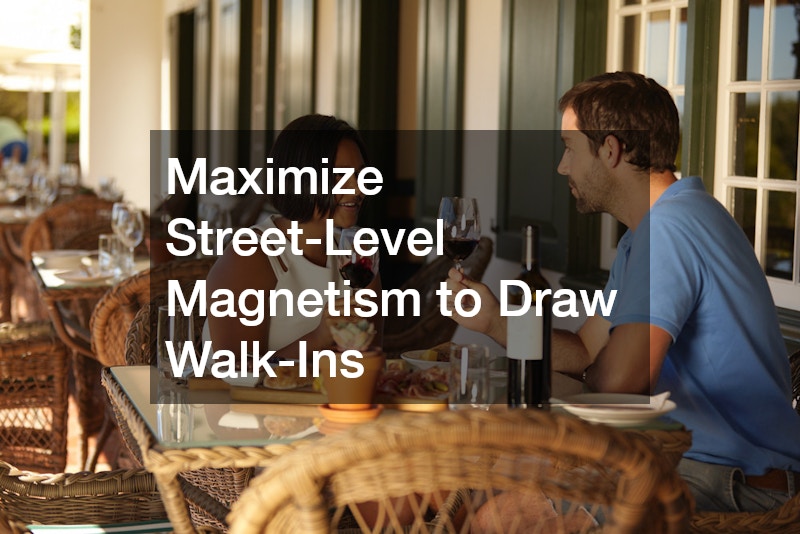
The exterior of your building is your first, and sometimes only, chance to make a lasting impression on a potential guest. A large percentage of daily revenue relies on capturing the attention of passersby and transitioning them from casual observers into paying customers. To do this, the transition from the sidewalk to your dining room must be seamless, inviting, and visually compelling.
One of the most powerful psychological tools in exterior design is transparency. Modern diners are inherently skeptical; they want to gauge the vibe, energy, and cleanliness of your space before committing their time and money. Upgrading and maintaining pristine storefront glass removes the visual barrier between the street and your interior, effectively turning your bustling dining room into a live-action billboard. When pedestrians can see a vibrant, active space with beautifully plated food and happy guests, the psychological principle of social proof takes over, compelling them to join the experience.
Furthermore, you must consider how your exterior functions in various weather conditions. A flat, exposed facade offers no sanctuary to pedestrians. Adding architectural elements that provide shelter and shade not only protects your waiting guests but also extends your dining footprint onto the sidewalk. Working with reputable commercial canopy companies allows you to design custom awnings and covered patios that integrate seamlessly with your building’s architecture. This creates an inviting, transitional space that protects guests from the blazing sun or unexpected rain while simultaneously expanding your seating capacity.
Actionable Exterior Strategies:
-
Audit exterior cleanliness daily: Ensure that windows are free of smudges and weather stains. The clarity of your windows directly correlates to the perceived cleanliness of your kitchen.
-
Activate the sidewalk: Use planters, outdoor rugs, and tasteful barricades to define your patio space.
-
Manage climate control: Install outdoor heaters for the winter and misting fans for the summer to maximize the usability of covered outdoor areas.
-
Focus on the entrance: The door hardware should feel heavy and substantial, signaling quality before the guest even steps inside.
Establish a Memorable Brand Identity Before Guests Enter
While transparency and architectural additions draw people in during the day, your establishment must also project a powerful, unmistakable presence after the sun goes down. A beautifully designed interior means very little if your building disappears into the shadows at night. Establishing a memorable brand identity on the exterior is critical for wayfinding, marketing, and setting expectations.
Many owners underestimate the importance of high-visibility, branded markers. An outdated, flickering neon sign or a sun-faded banner subconsciously signals to guests that the business is struggling or cutting corners. To combat this, you should invest in modern, energy-efficient custom illuminated signs that make your logo pop and serve as an irresistible beacon for evening diners. A crisp, brilliantly lit sign not only guides guests to your door but also acts as a silent ambassador for your brand’s quality and aesthetic twenty-four hours a day.
In any thriving neighborhood, competition is incredibly fierce. When patrons are searching for the best restaurants to spend their Friday night or celebrate a special anniversary, they rely heavily on visual cues to make their decision. A polished, professional exterior marker acts as an immediate indicator of prestige and culinary seriousness. It tells the consumer that you are proud of your brand and confident in the experience you provide.
Key Considerations for Brand Visibility:
-
Contrast and Legibility: Ensure your signage contrasts heavily with the building’s facade. The font must be easily readable from a passing car moving at thirty miles per hour.
-
Consistent Branding: The colors, typography, and logo used on your exterior must perfectly match your menus, website, and social media presence.
-
Strategic Placement: Consider multiple angles. A flat sign against the building is great for those directly across the street, but a projecting blade sign is necessary to capture foot traffic walking parallel to your building.
-
Permitting and Zoning: Always consult with local municipalities before investing in exterior markers to ensure compliance with local brightness and size ordinances.
Curate the Dining Atmosphere Using Color and Brightness
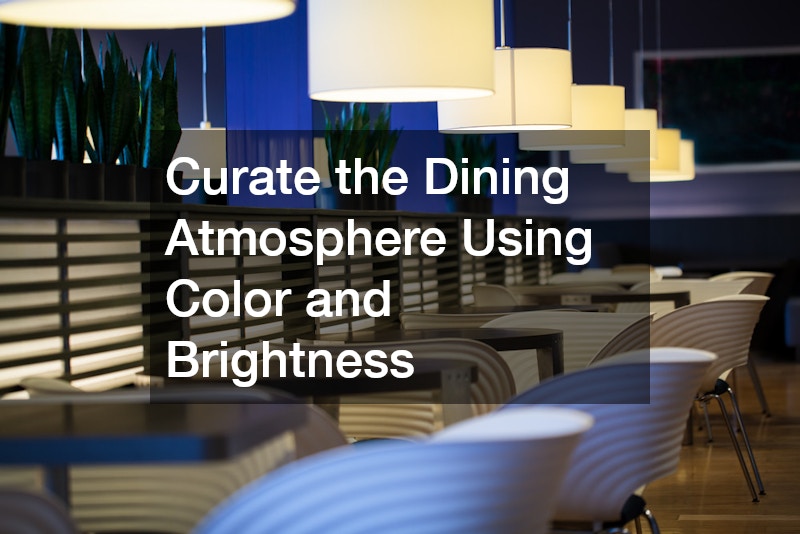
Once you have successfully guided a guest through your front doors, the interior atmosphere must immediately validate their decision to enter. The two most impactful, yet frequently misunderstood, tools for shaping this atmosphere are color and light. Together, they dictate the mood, influence the perceived temperature of the room, and even subtly control how fast people eat and how much they are willing to spend.
Color psychology plays a massive role in the dining experience. Warm tones, such as deep reds, burnt oranges, and rich terracottas, are known to stimulate the appetite and encourage socialization, making them ideal for high-energy concepts or fast-casual environments. Conversely, cooler tones like muted blues, sage greens, and charcoal grays slow down the heart rate, encouraging guests to linger, order another bottle of wine, and enjoy a multi-course meal. To achieve the perfect finish, it is highly recommended to hire professional interior painting services. Professionals will properly prep the walls to withstand the heavy wear and tear of a hospitality environment, utilizing high-durability, scuff-resistant formulas that keep the space looking fresh despite the constant movement of chairs and staff.
Lighting is equally, if not more, important. A poorly lit space can make excellent food look unappetizing and make guests feel uncomfortable. Successful atmosphere curation requires layering three types of light: ambient (the general glow of the room), task (lighting for reading menus or seeing the food), and accent (highlighting artwork or architectural features). Executing this correctly is complex, which is why a professional commercial lighting installation is crucial. Experts can implement advanced dimming systems and choose the exact color temperatures necessary to transition your room smoothly from a bright, energetic lunch rush to a moody, intimate dinner service.
Strategies for Mastering Color and Light:
-
Test paint colors under actual conditions: Never choose a paint color under fluorescent store lights. Paint large swatches on your walls and observe how they look under your specific dining room lighting at different times of the day.
-
Eliminate glare: Ensure that no bare bulbs are shining directly into a guest’s eyes from any seating angle in the house.
-
Use lighting to guide flow: Brighter lights should illuminate pathways and the bar area, while dining tables should feature softer, more intimate illumination.
-
Highlight the table: Consider using narrow-beam spotlights directed precisely at the center of the table to make the food the undisputed star of the show.
Anchor Your Space with Safe, Aesthetic Foundation Upgrades
While owners naturally focus on eye-level aesthetics like lighting, artwork, and furniture, guests subtly take in the entirety of the room, including the floor. Your flooring is the foundation of your design; it is the hardest working element in the entire building, enduring relentless foot traffic, spilled beverages, dropped plates, and the constant dragging of heavy chairs.
Subconsciously, guests look at the floors to judge the overall hygiene of the establishment. Scuffed, sticky, or cracked flooring immediately raises red flags about the cleanliness of the hidden areas, like the kitchen. Furthermore, the material you choose drastically impacts the acoustics of the room. Hard, echoing surfaces can turn a busy night into a deafening, uncomfortable experience where guests have to shout to be heard, while softer or properly treated materials can help dampen the clamor of a bustling service.
If your existing foundation is structurally sound but visually tired, tearing it out completely may not be necessary. Investing in professional commercial floor restoration can bring original hardwood, classic terrazzo, or industrial concrete back to vibrant life. Grinding, polishing, and applying industrial-grade sealants not only elevates the aesthetic luxury of the room but also drastically improves safety. Proper resurfacing removes trip hazards and incorporates non-slip additives, protecting your guests from falls and protecting your business from unnecessary liability.
Best Practices for Foundation Maintenance:
-
Prioritize acoustics: If you have concrete or tile floors, incorporate acoustic panels on the ceiling or heavy drapery on the walls to absorb bouncing sound waves.
-
Implement a strict cleaning schedule: Different materials require different chemical treatments. Ensure your nightly cleaning crew is using the correct pH-neutral cleaners to avoid stripping the protective sealants.
-
Use strategic matting: Place high-quality, branded walk-off mats at all entrances to capture street dirt and moisture before it can damage your primary flooring.
-
Zone your materials: Consider using highly durable, slip-resistant tile in high-traffic server pathways, while reserving warmer materials like restored hardwood for the actual seating areas.
Elevate the Table Setting to Match Culinary Quality
The moment a guest sits down, their visual assessment transitions to a tactile one. The tabletop is the most intimate point of contact between your brand and your customer. It is where they will spend the next two hours, and every item on that table contributes to their overall perception of value. If you are serving a premium cut of steak on a chipped plate with flimsy cutlery, a massive cognitive dissonance occurs that undermines the chef’s hard work.
The “touchpoints” of a meal are critical. The substantial weight of a well-crafted fork, the crisp texture of a high-thread-count napkin, and the delicate rim of a crystal wine glass all subtly whisper to the guest that they are in good hands. These small physical details validate the price points printed on the menu. Upgrading your tabletop aesthetics is one of the fastest ways to elevate the perceived class of your establishment without engaging in heavy construction.
To achieve a cohesive and premium look, you must move away from the habit of replacing broken items with mismatched, generic alternatives. Instead, take the time to source unified, durable, and stylish tableware collections from reputable restaurant supply stores. A well-chosen collection ensures that the scale, color, and texture of the plates perfectly complement the style of the food being served.
Tactics for a Premium Tabletop:
-
Invest in hero items: You don’t need to break the bank on every single item. Invest heavily in “hero” touchpoints, such as heavy, custom-handled steak knives or uniquely textured water pitchers, while saving money on standard side plates.
-
Consider the plate as a canvas: Choose plate colors that make your ingredients pop. A vibrant green salad looks spectacular on a matte black or crisp white plate, but gets lost on a busy, patterned dish.
-
Eliminate wobble: There is nothing more frustrating than a wobbly table. Invest in self-adjusting table bases so guests aren’t forced to shove napkins under the legs.
-
Streamline the clutter: Remove unnecessary promotional table tents, excess condiment bottles, and digital screens. A clean, minimalist table feels infinitely more luxurious.
Optimize Back-of-House Operations to Ensure Front-of-House Perfection
It is a fatal mistake to believe that design and aesthetic upgrades should be limited to the areas the customer can see. The dining room and the kitchen are engaged in a delicate, symbiotic relationship. If the back-of-house is poorly designed, cramped, or relying on failing systems, the resulting chaos will inevitably bleed into the dining room, completely destroying the guest experience regardless of how beautiful the decor is.
Optimizing the kitchen layout and modernizing the tools your staff uses directly boosts morale, reduces ticket times, and ensures food consistency. An inefficient line layout causes chefs to constantly bump into one another, leading to frustration, mistakes, and painfully slow service. Auditing your setup and upgrading to modern, high-efficiency restaurant equipment can drastically streamline plating and prep work. Furthermore, newer appliances often feature better insulation and energy efficiency, which reduces the unbearable heat load on the line, keeping your staff comfortable, focused, and performing at their peak during the Friday night rush.
Beyond the physical layout and the appliances, the environmental systems of your kitchen require rigorous attention, particularly air quality. A failing ventilation system is a disaster waiting to happen. Not only does it create a miserably hot and smoky environment for the staff, but it also allows stale cooking odors, grease, and smoke to drift into the beautifully redesigned dining room. Setting up a strict, non-negotiable maintenance schedule with certified commercial kitchen hood cleaners is essential. This routine maintenance prevents catastrophic grease fires, ensures maximum airflow, and guarantees that the only thing your guests smell when they sit down is the intentional, appetizing aroma of the meal placed in front of them.
Operational Optimization Tips:
-
Design for flow: Organize the kitchen into distinct zones (prep, cooking, plating, dishwashing) to ensure a linear flow of food and minimize cross-traffic between the chefs and the servers.
-
Invest in ergonomics: Adjust the height of prep tables and install anti-fatigue mats to reduce the physical toll on your back-of-house team.
-
Prioritize preventative maintenance: Do not wait for a refrigerator to fail on a Saturday night. Implement a preventative maintenance schedule for all major appliances to ensure they are running at peak efficiency.
-
Enhance communication: Invest in a modern, streamlined Kitchen Display System (KDS) to eliminate the confusion of lost paper tickets and ensure seamless communication between the servers and the line.
Redefining the Experience for Long-Term Success
Creating a truly exceptional dining experience is a complex, multi-sensory puzzle. While the quality, taste, and presentation of the food will always remain the beating heart of the hospitality industry, it is the environment that initially draws guests in, makes them comfortable, and ultimately convinces them to return time and time again.
As an operator, you do not need to tackle every single one of these upgrades simultaneously. Overhauling a business can be financially and logistically daunting. Instead, take a step back and view your space objectively. Walk through your own front doors as if you were a first-time guest. Take note of the friction points—whether it is a dark entryway, a loud dining room, or a scuffed floor—and prioritize one or two key areas that will yield the most immediate impact. By consistently applying thoughtful, strategic design upgrades, you will slowly but surely transform your space into a magnetic, highly profitable establishment that commands loyalty and outshines the competition.